"Texture is a term that is appropriate to discussing and critiquing collage, construction, assemblage, and other three-dimensional art activities" (Schirrmacher & Fox, 2009, p. 144).
The key words of this definition of texture are construction,and assemblage. Those two words can be used to describe the cultural potluck in which I will be using as an activity idea that communicates personal identity and understanding of the world. When thinking of putting together a cultural pot luck , I think about an artistic assembly of many different types of wonderful foods from different cultures. And the process of creating the dishes is where the construction comes in.Construction can also be used when thinking about bringing the foods together to serve everyone once the potluck is ready to begin!
The reason why a cultural potluck came to mind (alongside the fact that I absolutely love food) is because I feel that food is an amazing representative of one's culture. This would cover the part of the activity which communicates your personal identity. It also communicates the way I have an understanding of the world because one of the first things I think about when I think about the world is the many different cultures it holds. I know many people from different cultures and one thing that sticks out to me when I am invited over to their houses, are the different aromas of cultural scents from the different perfumes, and also spices from their foods. I am always excited to meet someone of a different culture than I am because of the new opportunity of trying the new foods they may introduce to me. My daughter's father/ my boyfriend is of a different culture than I am, which I feel is an absolute privilege! Not only am I welcomed with a tasty meal whenever my daughter is visiting her grandmother, but I am yet to taste all of the dishes she knows how to make.
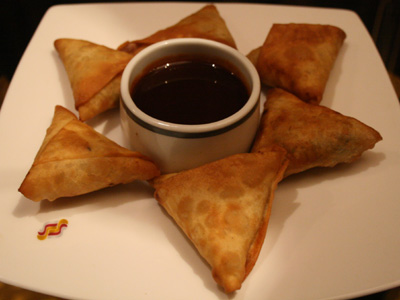 Another intriguing thing about tasting and eating different foods from different cultures is finding the similarities between different cultural dishes as well. There have been a few dishes my daughter's grandmother has made for me that I have been offered from my other friends of different cultures. One example is the Samosa , in which they pronounce "SA-moos-ah". My daughter's father is from Ethiopia, and samosas can also be associated with Indian food as well. The similarities amongst the different cultural foods is one way to bring different people from different cultures together, as it can strike up a conversation about the way they prepare the food, and also who's tastes better as well (haha!). They can also discuss the reason of preparation for the type of food they've discovered to be similar (like for special occasions such as weddings, or just for a regular daily meal such as breakfast, lunch, or dinner). Bringing together people from different cultures is one of the benefits one can get through my activity of cooking with scissors/ a cultural potluck that I am about to explain right now.
The activity "Cutting with Scissors/ Cultural Potluck" is to think of a dish(es) you can make which you feel best represents your culture. Partner up with someone( from a different culture than you) to help you with making this dish. While you and your partner are preparing the dish, examine the different types of colors used along with the different shapes, textures, smells, and tastes from all of the ingredients. Compare the use of cooking materials used in each of your dishes (both food and tools), and discuss the main purpose of your dish(a celebration dish, a casual daily meal, e.t.c). Most importantly, discuss why you feel this represents your culture, and how it communicates your self identity as well.This activity would include a group of people, who would then go off into partners or groups of three if necessary.
After everyone is done preparing their dish, take the time to quickly discuss with your group the name of the dish, and what your partner has taught you about the dish, along with why they feel it represents their self identity and thought about the world. You can also take the time to briefly reveal some ingredients used so that it gives the other potluckers an idea what they are about to eat (especially for those with allergies) and so they can see whether it is similar to their dish. Try not to take TOO much time talking about your food, you can do that while you socialize during the potluck, and you don't want your food to get too cold!!! And finally, once you are ready to eat the different foods, take the time to appreciate the beauty of the food as a whole, the colors, smell, taste, everything. Be open to trying new things. It is also okay not to like other foods, but at least take the opportunity to try it :).
You may also socialize about other parts of your culture other than food as well. Food is a wonderful way to bring people together, so dig in, be happy, be open minded, and have fun!!!
Schirrmacher, R. , & Englebright Fox, J. . (2009). Art & creative development for young children. Belmont, California : Delmar Cengage Learning.

